working in partnership with

Welcome To Your New Home

We are delighted to let you know that the expert team at Landstruction has installed the landscape on behalf of CLIENTTITLE. Our goal is to ensure that you not only enjoy but also make the most of your garden. This page acts as ongoing support to help your garden flourish and mature over the coming years…
Filter By

Watering

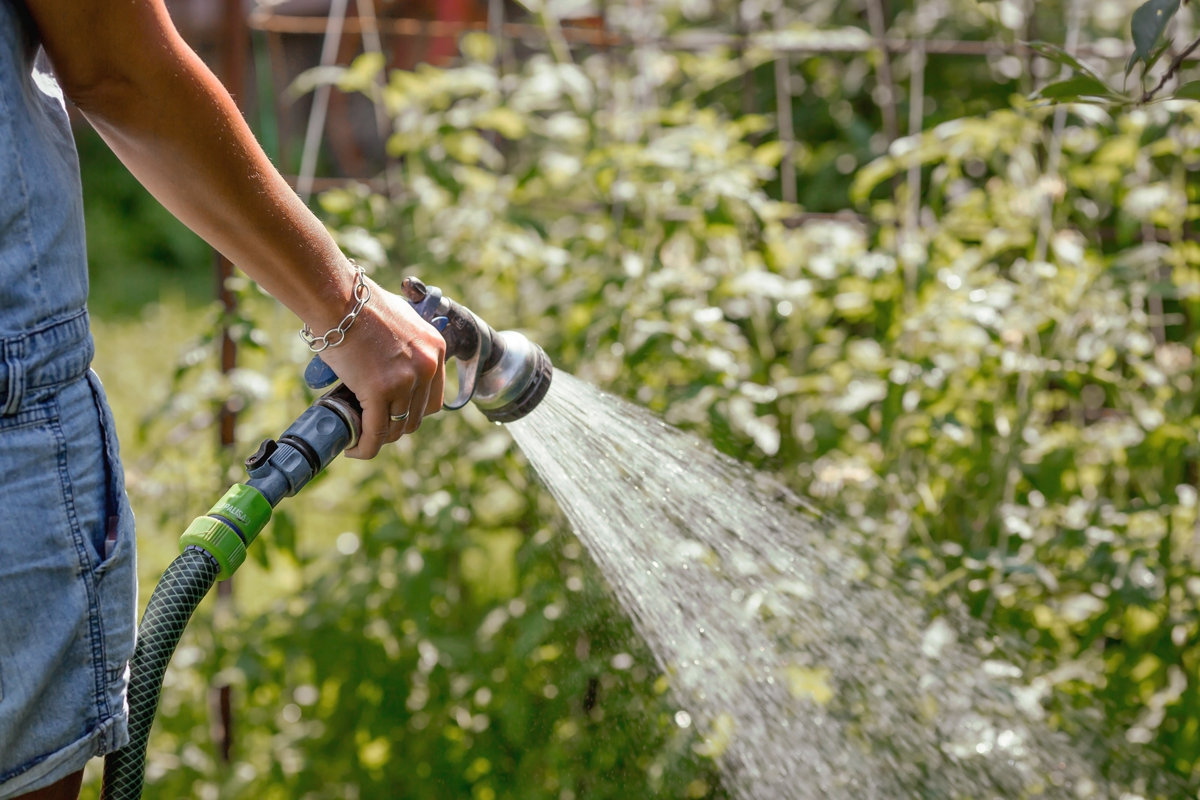
This is the most important step for new lawn care. You need to water your lawn at least once a day for the first two weeks, or until the roots have grown into the soil. You can check this by lifting a corner of the turf and seeing if it resists. Watering helps the grass recover from the stress of being harvested and transplanted and prevents it from drying out and dying. You can use a sprinkler or a hose to water your lawn, but make sure you water it evenly and deeply. If the weather is hot, dry or windy, you may need to water more often, even two or three times a day…

Mowing

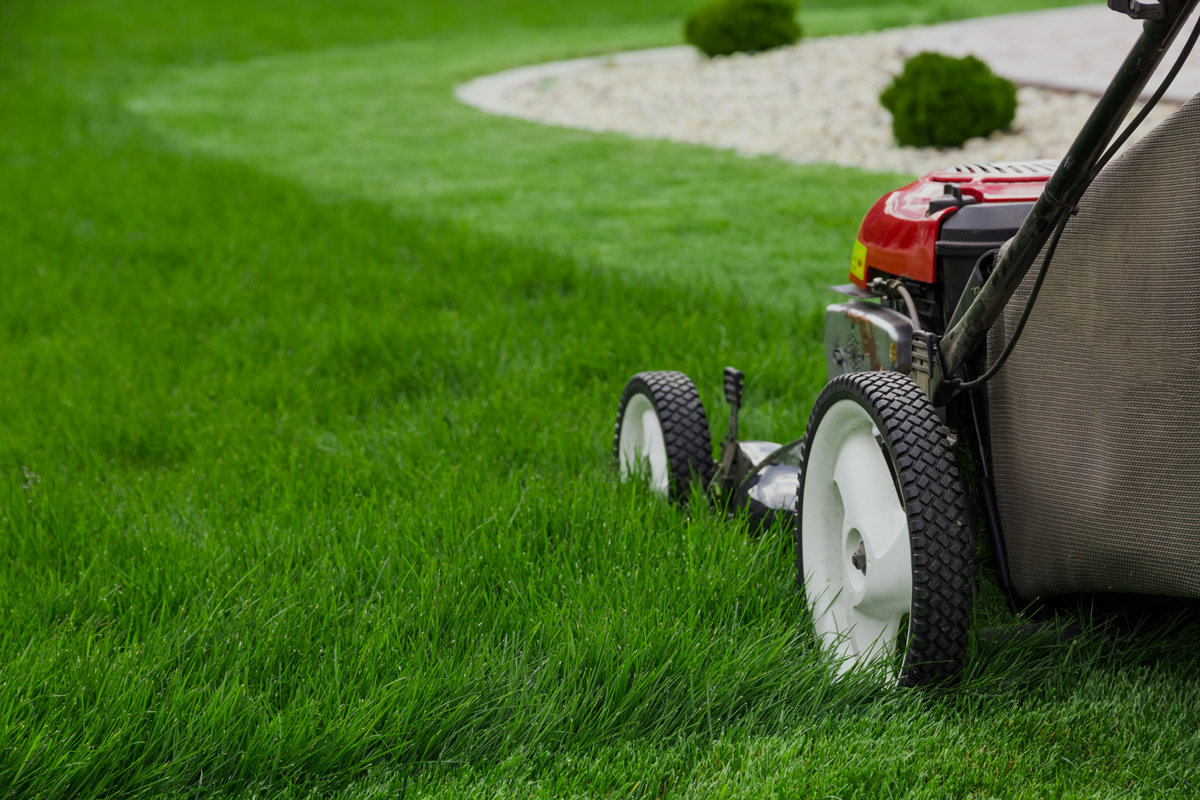
You can start mowing your new lawn once it reaches about 5-8cm (3in) in height, which may take six weeks depending on the season. Mow little and often, never removing more than a third of the grass blade at a time. This will help the grass to thicken and prevent weeds from invading. Use a sharp mower blade and mow in different directions each time to avoid creating ruts.

Identify

Need Help Identifying Plants In Your Garden?

Discover

Feeding

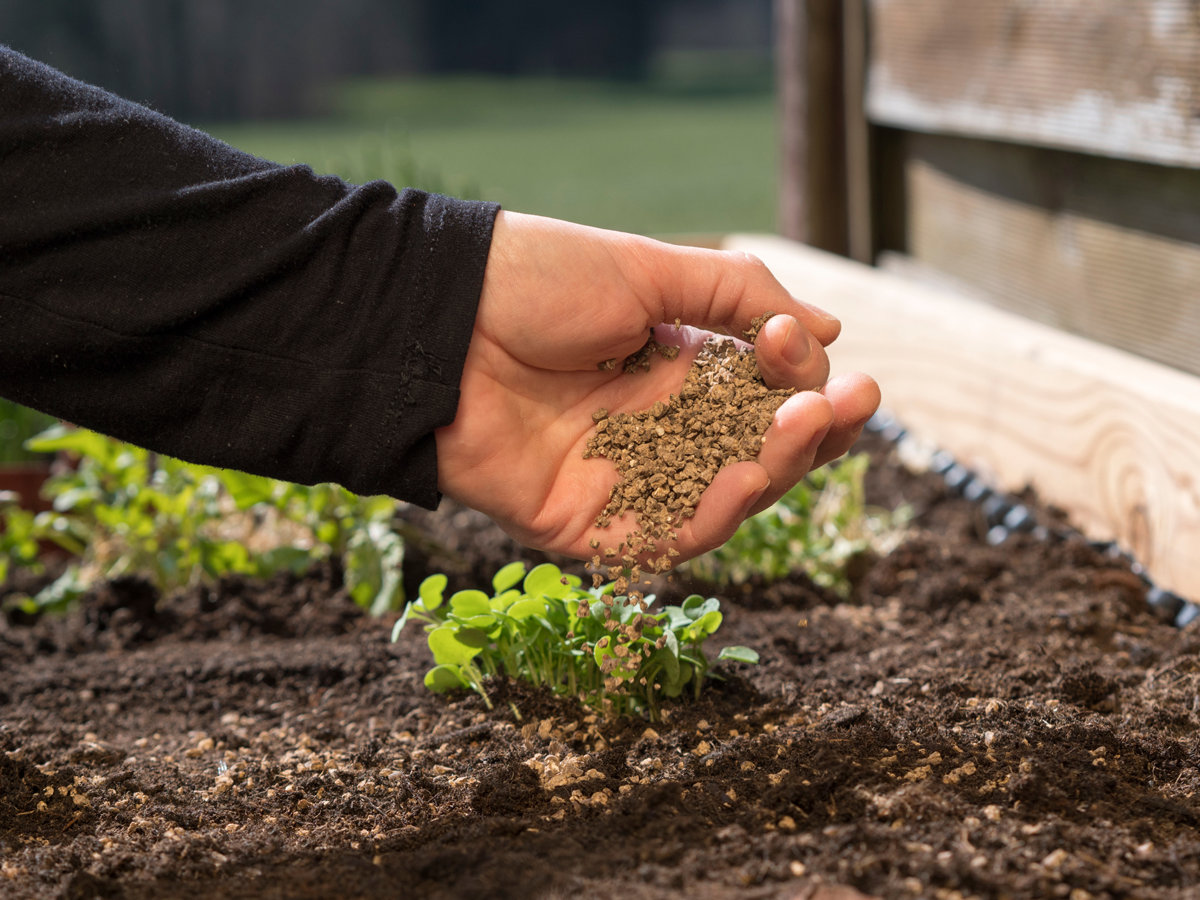
Your new lawn will benefit from some extra nutrients to help it establish and grow. You can apply a slow-release fertilizer that is specially formulated for new lawns, following the instructions on the label. Fertilizing your lawn will provide it with nitrogen, phosphorus, potassium, and other essential elements that will enhance its colour, density, and resistance to stress. You should feed (fertilize) your lawn about 6-8 weeks after laying, and then every 8-10 weeks during the growing season. Avoid using high-nitrogen feeds in late summer or autumn, as they can encourage soft growth that is prone to frost damage.

Hints & Tips

Need Gardening Guidance? Discover Tips And Hints Here!

Discover

Overseeding

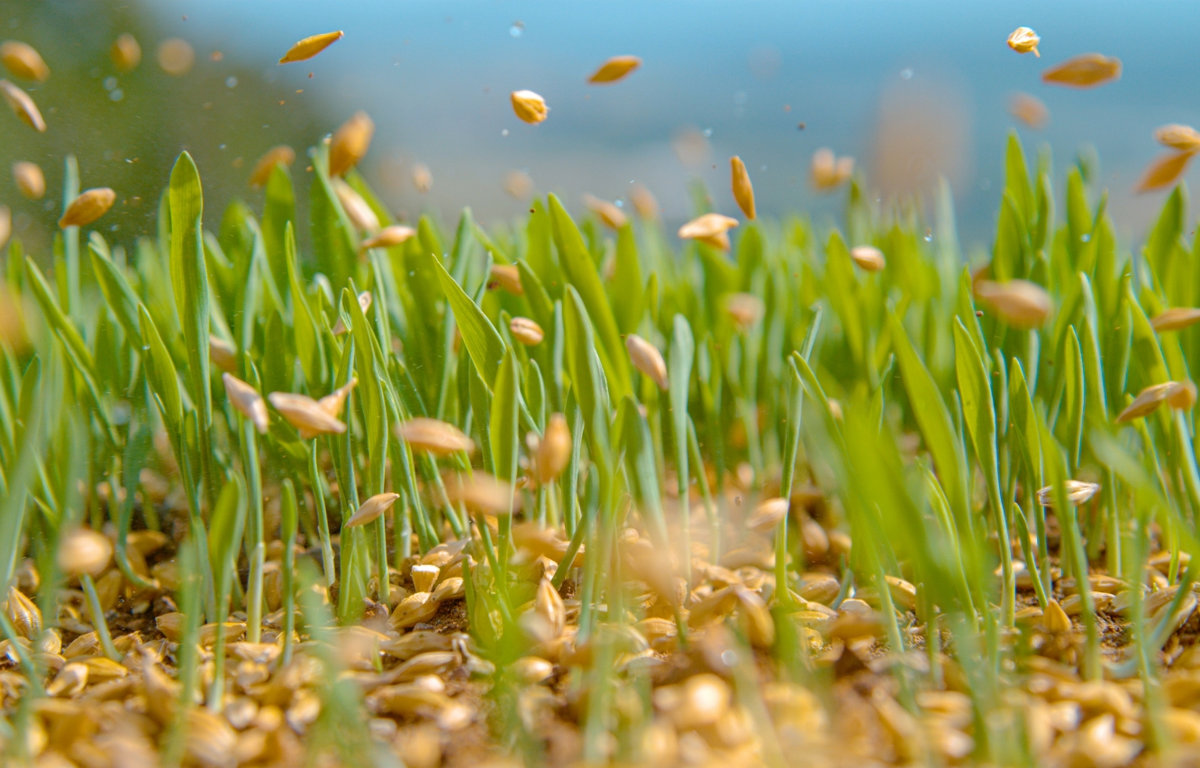
You can start mowing your new lawn once it reaches about 5-8cm (3in) in height, which may take six weeks depending on the season. Mow little and often, never removing more than a third of the grass blade at a time. This will help the grass to thicken and prevent weeds from invading. Use a sharp mower blade and mow in different directions each time to avoid creating ruts.

Aerating

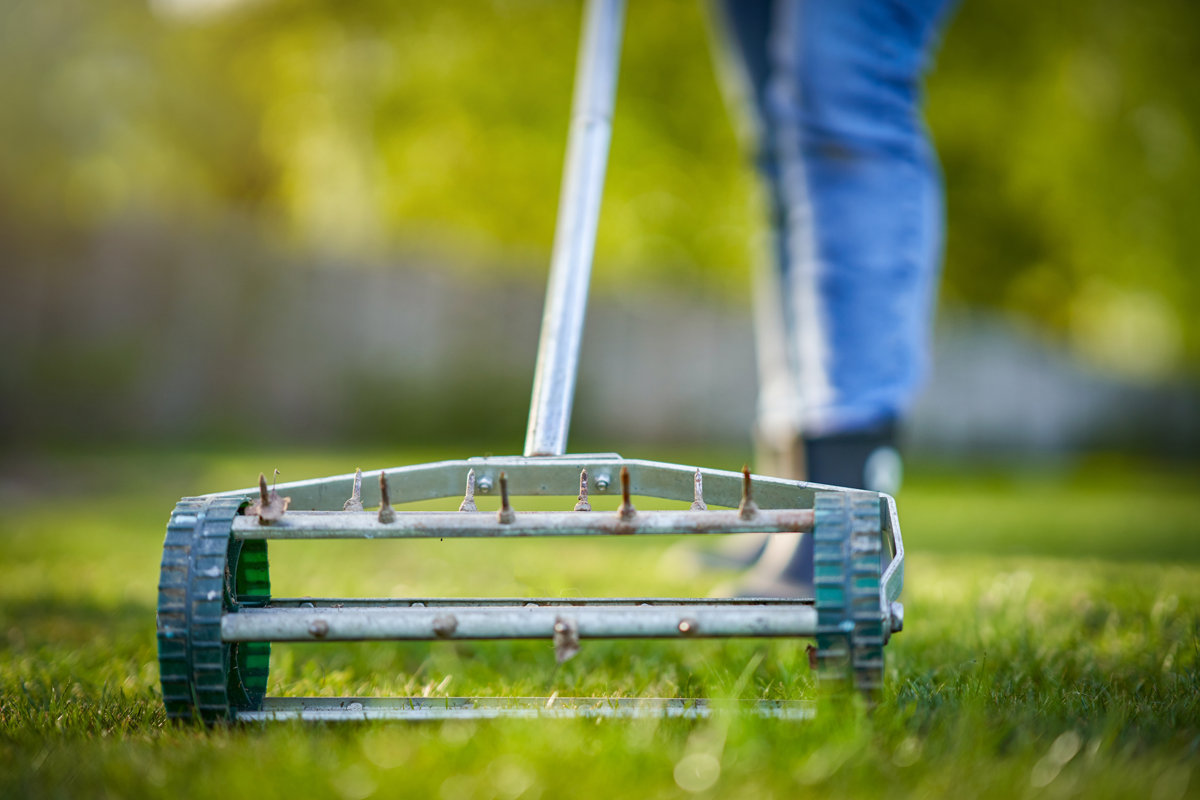
Aeration is the process of making small holes in the soil to improve its drainage, oxygenation, and nutrient uptake. Aeration helps prevent soil compaction, which can reduce the root growth and water infiltration of your lawn. You can aerate your lawn using a manual (fork) or powered aerator, which removes small plugs of soil from the surface. You can do this once or twice a year, preferably in spring or autumn when the soil is moist but not wet.

Clearing

To keep your new lawn looking neat and tidy, you need to clear any fallen leaves or debris that may accumulate on it. You can use a rake, a leaf blower or a lawn vacuum to remove them. This will prevent them from blocking the light and air from reaching the grass and reduce the risk of diseases and pests.

Pruning

Pruning is cutting back the branches or stems of your plants to control their growth and shape, as well as to remove dead or diseased parts. Pruning can improve the health, appearance, and productivity of your plants, but you need to prune them correctly according to their needs. Different plants have different pruning requirements, depending on their type, season, and habit. You should use sharp and clean tools and make clean cuts at the right angle and position. You should also avoid pruning too much or too often, as this can weaken or damage your plants.

Pest Control

Pest control is managing or eliminating harmful insects or animals that attack your plants and cause damage or disease. Pest control can protect the health, quality, and quantity of your plants, but you need to use it wisely and safely. Different pests have different behaviours and life cycles, so you need to identify them and use the most effective way to deal with them. You can use biological methods such as beneficial insects or animals that prey on or parasitize pests, or cultural methods such as crop rotation or companion planting that deter or confuse pests. You can also use physical methods such as traps or barriers that catch or exclude pests, or chemical methods such as pesticides or insecticides that kill or repel pests.

Weeding

Weeding is removing unwanted plants or weeds from your garden that compete with your desired plants for space, light, water, and nutrients. Weeding can improve the health, appearance, and yield of your plants, but you need to weed them regularly and effectively. Different weeds have different characteristics and methods of spreading, so you need to identify them and use the best way to get rid of them. You can use manual methods such as hand-pulling or hoeing, or chemical methods such as herbicides or weedkillers. You can also use preventive methods such as mulching or planting ground covers to suppress weed growth.

Got A Specific Question?

Simply type in your question below and our AI green thumb will give you the help you need.